What to Expect During Your Wedding Videography Session
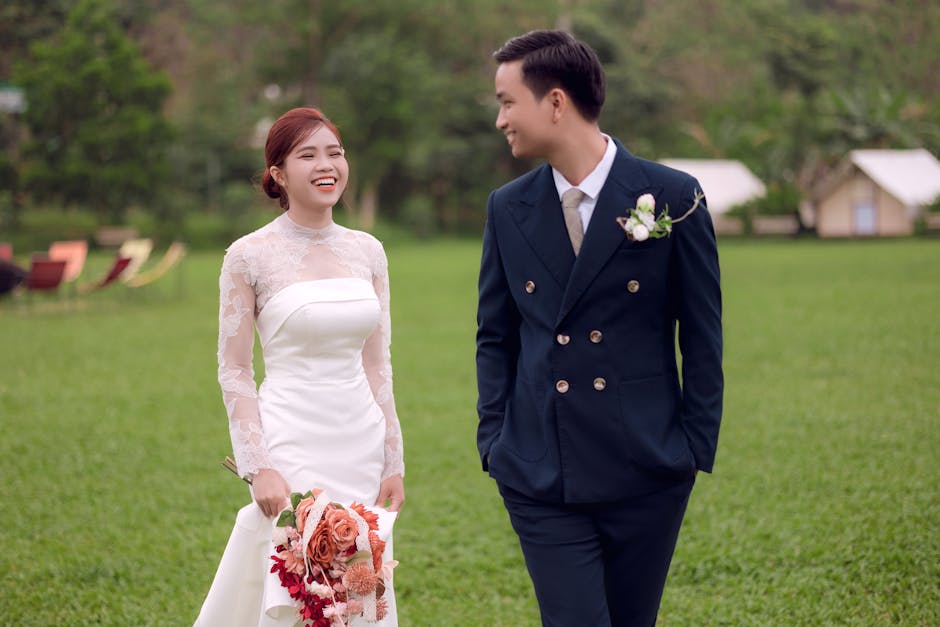
If you've booked a wedding videographer, you might be wondering what to expect during the filming process. Knowing the typical timeline and what your videographer will capture can help you feel more relaxed and prepared on the day itself.
Pre-Wedding Planning
Before your wedding day, your videographer should contact you to discuss details. They'll want to know the timeline, key moments you don't want missed, any special requests, and the venue layout. Some videographers offer pre-wedding consultations to build rapport and understand your vision better. This communication ensures everyone's on the same page.
Arrival and Setup
Your videographer will typically arrive early to scout the venue, test lighting, and set up equipment. They'll identify the best angles for the ceremony, check audio levels, and plan their movement throughout the day. This preparation is crucial for capturing smooth, professional footage.
Coverage Throughout the Day
A typical wedding videography package covers several key moments. This usually includes getting-ready shots of both the bride and groom, the ceremony in full, confetti or exit moments, and reception highlights including speeches, first dances, and celebrations. Some videographers also capture details like flowers, rings, and venue decoration.
The Ceremony
During the ceremony, your videographer will position themselves strategically to capture your vows without being intrusive. They'll use multiple angles if working with an assistant or second camera. Good videographers remain discreet, allowing the ceremony to flow naturally whilst ensuring every important moment is recorded.
Reception Filming
At the reception, your videographer will capture toasts, first dances, and special moments with guests. They might also conduct quick interviews or capture candid reactions. This is where the documentary style really shines, as genuine moments of joy and celebration make for compelling footage.
What You Should Know
Your videographer will need access to key moments and people. If there are special traditions, ceremonies, or surprise elements, brief them beforehand. Also, let your guests know they're being filmed so they can act naturally. Some venues have restrictions on where cameras can go; your videographer should be aware of these.
After the Day
After filming, your videographer begins the editing process, which can take several weeks. They'll colour-grade footage, add music, and create a polished final product. Most will provide you with a timeline for delivery when you book.
Understanding what happens during wedding videography helps you relax and enjoy your day, knowing you've got a professional capturing every precious moment for you to treasure forever.